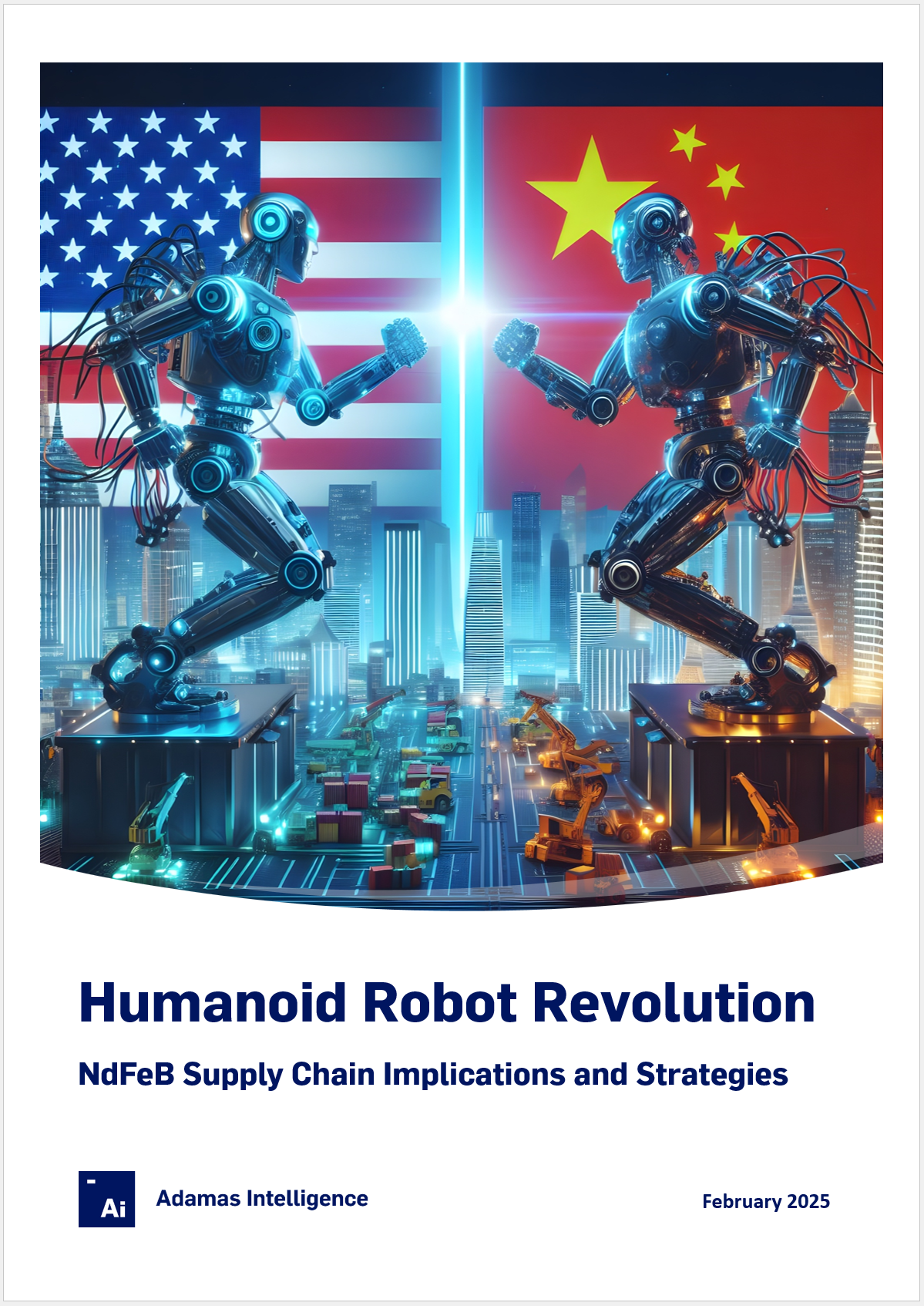
ヒューマノイドロボットの未来は、「手をかける」ものになるのか、それとも「手を出さない」ものになるのか?


ヒューマノイドか、それとも人間中心か
今月初め、倉庫や物流分野で使用されるヒューマノイドロボットを製造する米国企業、Agility Roboticsが主催したウェビナーに参加しました。同社は、オレゴン州セーラムにある「RoboFab」で第4世代ロボット「Digit」を製造しており、年間生産台数を1万台に向けて増産を進めています。
このウェビナーでは、「テック・トーク:倉庫から家庭まで、ヒューマノイドロボット」と題したプレゼンテーションが行われ、その中で次のような興味深い質問が投げかけられました。「どうすれば成功するロボットを作れるのか? それはヒューマノイド型であるべきか、それとも人間中心であるべきか?」
これはまさに時宜を得た問いであり、最も人間らしいロボットの開発を競い合うロボットメーカーがますます増えていることを考えれば、問うべき問題である。これは特に、自由度がますます高まっているロボットハンドの事例において顕著である。
Agility社は、業界が現在注力している「人間のような器用さ」の実現が、最終的には最も有用な解決策にはつながらない可能性があると示唆している。「私たちには、器用さについて非常に硬直した考え方に導いてしまう、多くの進化上の『重荷』がある。現在、5本指のハンドの多くは主にアニマトロニクス技術によるものであり、それほど有用ではない」と、Agility Roboticsの共同創業者兼最高ロボット責任者であり、本セッションの発表者であるジョナサン・ハースト氏は述べた。
Agility社によると、現在開発中の5本指のロボットハンドの多くは見た目は素晴らしいものの、産業現場での実用性に欠けているという。
むしろ、Agility社は、ヒューマノイドの将来像としては、人間のような手ではなく、ツール交換機構を備えたアームと、さまざまな専用「エンドエフェクタ」こそが鍵であると考えている。Digitの頑丈な四肢や実用的なエンドエフェクタが示すように、同社はすでにその方向へと進んでいる。
PAL Robotics社の「TALOS」、Pudu Robotics社の「D7」、Leju Robot社の「Kuavo 3.0」、そしてUnitree Robotics社の「Dex3-1」ロボットハンドの開発事例からもわかるように、他のチームも同様の原理に基づいて開発を進めているようだ。

では、ヒューマノイドロボットの未来は、「ハンズオン」になるのか、それとも「ハンズオフ」になるのか?
私たちの見解では、おそらくその両方の要素が組み合わさっているのだろう。米国ヒューマノイドロボット市場の先駆者であるAgility社は、5本指の手が産業現場では実用性に欠けるという点について、いくつかの重要な指摘を行っている。しかし、より繊細な操作が求められる用途についてはどうだろうか。そうした用途においては、人間のような手が真価を発揮するかもしれない。商用ロボットがますます多くの作業を担うようになるにつれ、真の成功がどこにあるのかは、時が経てば明らかになるだろう。
固定式ハンドや専用スナップオンツールなど、どのようなシナリオであっても、ロボット技術の将来は、NdFeB永久磁石の需要にとって引き続き明るい見通しを示しています。結局のところ、将来開発されるロボットの大部分が、人間のような固定式のハンドではなく、さまざまな作業に対応する多彩なアクセサリーを標準装備するようになれば、ロボット1台あたりのモーター、アクチュエータ、希土類磁石の需要は、従来の予想よりもさらに高まる可能性があります。
主要なレアアースおよび磁石サプライヤーとの商談
2025年9月、トロントで開催される「Rare Earth Mines, Magnets & Motors 2025」にて、新興のレアアース採掘企業や磁石メーカーと交流し、市場の主要プレイヤーや業界の専門家と共にこのテーマについてさらに深く掘り下げていきます。
この2日間のイベントでは、鉱山からOEMに至るグローバルなサプライチェーンの各分野から、ビジネスおよび技術のリーダーたちが一堂に会し、5つ星の会場で質の高い議論とネットワーキングを行います。
今年のカンファレンスの主なテーマには、ロボティクス、自動化、先進的航空モビリティ、そして上流工程で統合されつつある「鉱山から磁石まで」のサプライチェーンが含まれます。
特別ゲスト:スティーブ・ウォズニアック(Apple共同創業者)
詳細はこちら: www.adamasevent.com