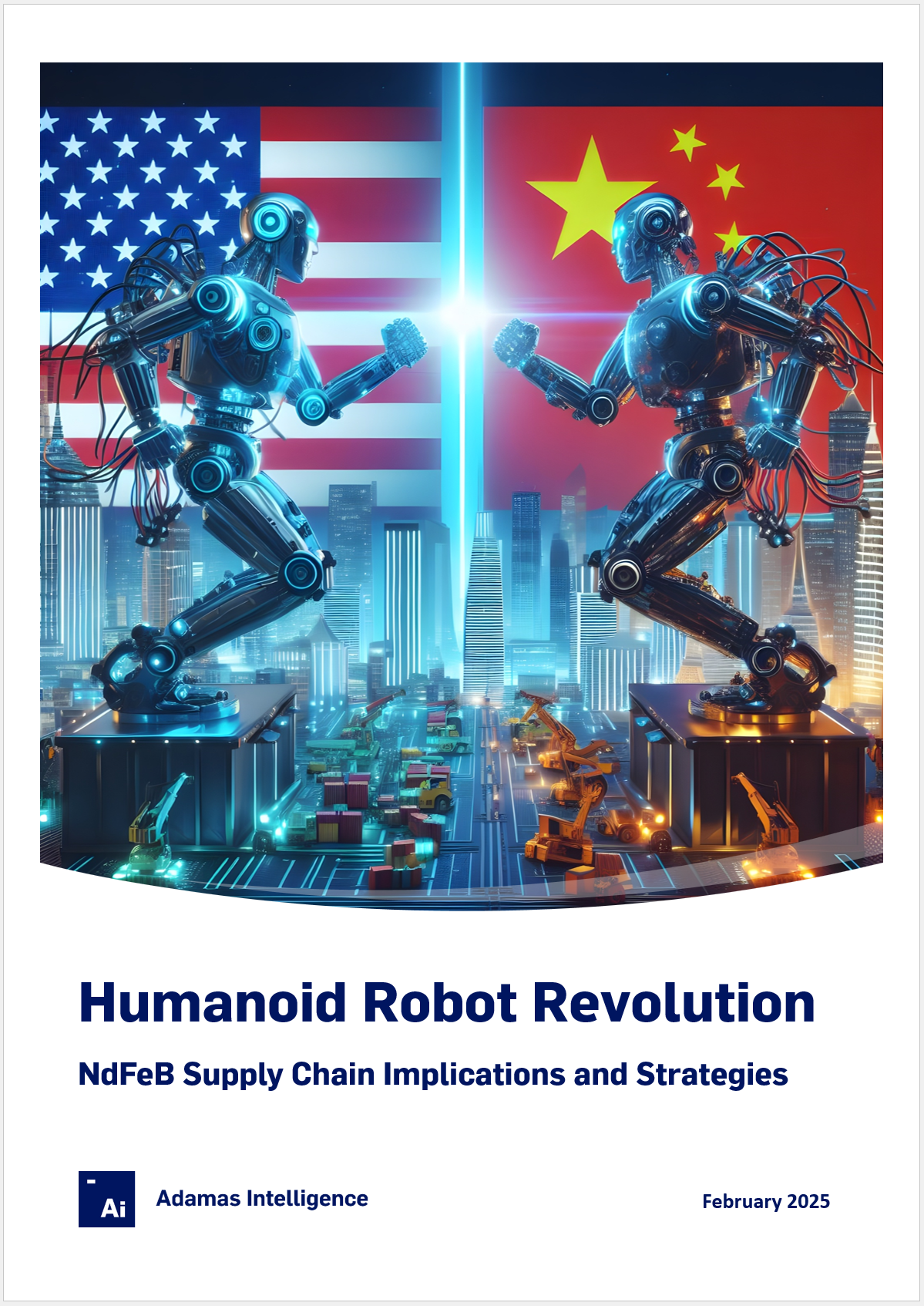
Will the future of humanoid robots be hands on or hands off?


Humanoid or humancentric
Earlier this month we attended a webinar hosted by Agility Robotics, a US-based manufacturer of humanoid robots used in warehousing and logistics. The company manufacturers its 4th generation robot, Digit, at its “RoboFab” in Salem, Oregon, where it’s ramping towards 10,000 units per year.
The webinar featured a presentation, titled “Tech Talk: Humanoid robots, from the warehouse to your house,” during which an interesting question was posed: “How do we make a successful robot? Is it humanoid or is it humancentric?”
It’s a timely question, and one that needs to be asked, considering the growing array of robot makers racing to develop the most humanlike robot, which is especially evident in the case of robot hands, which continue to incorporate more and more degrees of freedom.
Agility suggests the industry’s current focus on achieving humanlike dexterity may ultimately not lead to the most helpful solutions. “We have a lot of evolutionary baggage leading us to a very rigid idea of dexterity. A lot of five finger hands right now are largely animatronic and not that useful”, said Jonathan Hurst, Co-Founder and Chief Robot Officer at Agility Robotics and presenter of the session.
According to Agility, a lot of five finger robotic hands under development today look great but lack utility for industrial settings.
Rather, Agility believes that arms with tool change mechanisms and a variety of specialized “end effectors”, rather than humanlike hands, is the path forward for humanoids – a path the company is already trending down as evidenced by Digit’s own robust limbs and utilitarian end effectors.
Other teams seem to be working from a similar principle as shown by PAL Robotics’ TALOS, Pudu Robotics’ D7, Leju Robot’s Kuavo 3.0, and Unitree Robotics’ work on the Dex3-1 Robotic hand.

So – will the future of humanoid robotics be hands on or hands off?
In our opinion, likely a combination of the two. Agility – a first mover in the US humanoid market – raises some important points on five-fingered hands lacking utility in industrial settings. But what about applications requiring more of a nimble touch? For these, human-like hands may shine. Time will tell where true success lies as commercial robots take on more and more tasks.
In any scenario, be it fixed hands or specialized snap-on tools, the future of robotics continues to bode well for NdFeB permanent magnet demand. Ultimately, if a large portion of robots developed in the future come complete with an assortment of accessories for different tasks, as opposed to fixed humanlike hands, it could translate to even greater demand for motors, actuators, and rare earth magnets per robot than previously expected.
선도적인 희토류 및 자석 공급업체와 만나보세요
2025년 9월 토론토에서 열리는 ‘Rare Earth Mines, Magnets & Motors 2025’ 행사에 참석하여 대체 희토류 채굴업체 및 자석 제조업체 관계자들을 만나보시기 바랍니다. 이 행사에서는 주요 시장 참여자 및 업계 전문가들과 함께 이 주제를 심도 있게 논의할 예정입니다.
이틀간 진행되는 이번 행사에는 전 세계 광산에서 OEM에 이르는 공급망 전반의 비즈니스 및 기술 리더들이 한자리에 모여 5성급 호텔에서 수준 높은 토론과 네트워킹의 기회를 가질 예정입니다.
올해 컨퍼런스의 주요 주제는 로봇공학, 자동화, 첨단 항공 이동성, 그리고 상류 단계에서 통합되고 있는 신흥 ‘광산에서 자석까지’ 공급망 등이 될 것입니다.
특별 게스트: 애플의 공동 창업자 스티브 워즈니악
자세한 정보: www.adamasevent.com