O futuro dos robôs humanóides será de intervenção ativa ou de não intervenção?


Humanóide ou centrado no ser humano
No início deste mês, participámos num webinar organizado pela Agility Robotics, um fabricante norte-americano de robôs humanóides utilizados em armazéns e logística. A empresa fabrica o seu robô de 4.ª geração, o Digit, na sua unidade «RoboFab» em Salem, no Oregon, onde está a aumentar a produção para 10 000 unidades por ano.
O webinar contou com uma apresentação intitulada «Tech Talk: Robôs humanóides, do armazém à sua casa», durante a qual foi colocada uma questão interessante: «Como é que se cria um robô de sucesso? Deve ser humanóide ou centrada no ser humano?»
É uma questão oportuna e que precisa de ser colocada, tendo em conta o número crescente de fabricantes de robôs que competem para desenvolver o robô mais semelhante ao ser humano, o que é especialmente evidente no caso das mãos robóticas, que continuam a incorporar cada vez mais graus de liberdade.
A Agility sugere que o foco atual da indústria em alcançar uma destreza semelhante à humana pode, em última análise, não conduzir às soluções mais úteis. «Temos uma grande herança evolutiva que nos leva a uma ideia muito rígida de destreza. Atualmente, muitas mãos com cinco dedos são, em grande parte, animatrónicas e não são assim tão úteis», afirmou Jonathan Hurst, cofundador e diretor de robótica da Agility Robotics e apresentador da sessão.
Segundo a Agility, muitas das mãos robóticas de cinco dedos atualmente em desenvolvimento têm um aspeto fantástico, mas carecem de utilidade em ambientes industriais.
Pelo contrário, a Agility acredita que os braços dotados de mecanismos de troca de ferramentas e de uma variedade de «efetores finais» especializados, em vez de mãos semelhantes às humanas, representam o caminho a seguir para os humanóides — um caminho que a empresa já está a trilhar, como comprovam os membros robustos e os efetores finais utilitários do próprio Digit.
Outras equipas parecem estar a trabalhar com base num princípio semelhante, como demonstrado pelo TALOS da PAL Robotics, pelo D7 da Pudu Robotics, pelo Kuavo 3.0 da Leju Robot e pelo trabalho da Unitree Robotics na mão robótica Dex3-1.
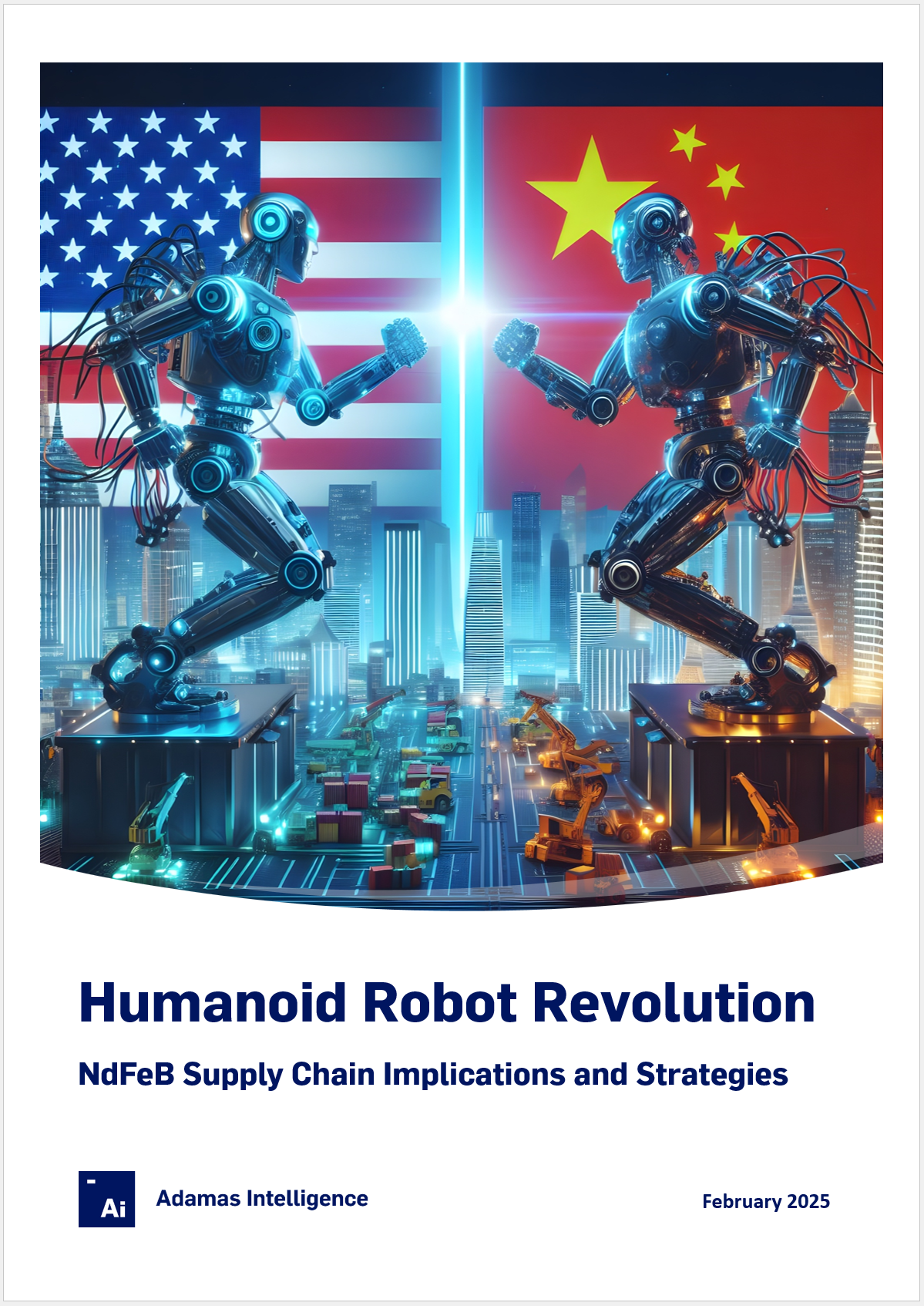
A Revolução dos Robôs Humanóides
Implicações e estratégias relativas à cadeia de abastecimento de NdFeB

Então… o futuro da robótica humanóide será com intervenção humana ou sem intervenção humana?
Na nossa opinião, provavelmente uma combinação das duas coisas. A Agility — pioneira no mercado de robôs humanóides dos EUA — levanta algumas questões importantes sobre as mãos com cinco dedos, que não se revelam úteis em ambientes industriais. Mas e quanto às aplicações que exigem um toque mais ágil? Nesses casos, as mãos semelhantes às humanas podem destacar-se. O tempo dirá onde reside o verdadeiro sucesso, à medida que os robôs comerciais assumem cada vez mais tarefas.
Em qualquer cenário, quer se trate de mãos fixas ou de ferramentas especializadas de encaixe rápido, o futuro da robótica continua a ser promissor para a procura de ímanes permanentes de NdFeB. Em última análise, se uma grande parte dos robôs desenvolvidos no futuro vier equipada com uma variedade de acessórios para diferentes tarefas, em vez de mãos fixas semelhantes às humanas, isso poderá traduzir-se numa procura ainda maior de motores, atuadores e ímanes de terras raras por robô do que o anteriormente previsto.
Reúna-se com os principais fornecedores de terras raras e ímanes
Junte-se a empresas alternativas de exploração de terras raras e a fabricantes de ímanes em Toronto, em setembro de 2025, para o evento «Rare Earth Mines, Magnets & Motors 2025», onde aprofundaremos este tema com os principais intervenientes do mercado e especialistas do setor.
O evento de dois dias reunirá líderes empresariais e técnicos de toda a cadeia de abastecimento global, desde as minas até aos fabricantes de equipamento original (OEM), para debates de alto nível e oportunidades de networking num espaço de 5 estrelas.
Os temas principais da conferência deste ano incluirão a robótica, a automação, a mobilidade aérea avançada e a emergente cadeia de abastecimento «da mina ao íman», que se está a consolidar na fase inicial do processo.
Convidado especial: Steve Wozniak, cofundador da Apple
Mais informações: www.adamasevent.com