Wird die Zukunft der humanoiden Roboter von „Hands-on“ oder von „Hands-off“ geprägt sein?


Humanoid oder menschenzentriert
Anfang dieses Monats nahmen wir an einem Webinar teil, das von Agility Robotics veranstaltet wurde, einem in den USA ansässigen Hersteller von humanoiden Robotern für den Einsatz in der Lagerhaltung und Logistik. Das Unternehmen fertigt seinen Roboter der vierten Generation, „Digit“, in seiner „RoboFab“ in Salem, Oregon, wo die Produktion derzeit auf 10.000 Einheiten pro Jahr hochgefahren wird.
Im Rahmen des Webinars hielt ein Referent einen Vortrag mit dem Titel „Tech Talk: Humanoide Roboter – vom Lager bis zu Ihnen nach Hause“, in dem eine interessante Frage gestellt wurde: „Wie bauen wir einen erfolgreichen Roboter? Ist er humanoid oder menschenzentriert?“
Das ist eine aktuelle Frage, die gestellt werden muss, wenn man bedenkt, dass immer mehr Roboterhersteller darum wetteifern, den menschenähnlichsten Roboter zu entwickeln. Dies zeigt sich besonders deutlich bei Roboterhänden, die immer mehr Freiheitsgrade aufweisen.
Agility weist darauf hin, dass der derzeitige Fokus der Branche auf das Erreichen menschenähnlicher Geschicklichkeit letztendlich möglicherweise nicht zu den hilfreichsten Lösungen führt. „Wir haben eine Menge evolutionären Ballast, der uns zu einer sehr starren Vorstellung von Geschicklichkeit führt. Viele der derzeitigen Fünf-Finger-Hände sind größtenteils animatronisch und nicht besonders nützlich“, sagte Jonathan Hurst, Mitbegründer und Chief Robot Officer bei Agility Robotics sowie Moderator der Veranstaltung.
Laut Agility sehen viele der derzeit in der Entwicklung befindlichen fünffingrigen Roboterhände zwar großartig aus, sind jedoch für den industriellen Einsatz nicht geeignet.
Agility ist vielmehr der Ansicht, dass Arme mit Werkzeugwechselmechanismen und einer Vielzahl spezialisierter „Endeffektoren“ – und nicht menschenähnliche Hände – den Weg in die Zukunft für Humanoide darstellen – ein Weg, den das Unternehmen bereits einschlägt, wie die robusten Gliedmaßen und zweckmäßigen Endeffektoren von Digit zeigen.
Andere Teams scheinen nach einem ähnlichen Prinzip zu arbeiten, wie die Modelle TALOS von PAL Robotics, D7 von Pudu Robotics, Kuavo 3.0 von Leju Robot sowie die Arbeiten von Unitree Robotics an der Roboterhand Dex3-1 zeigen.
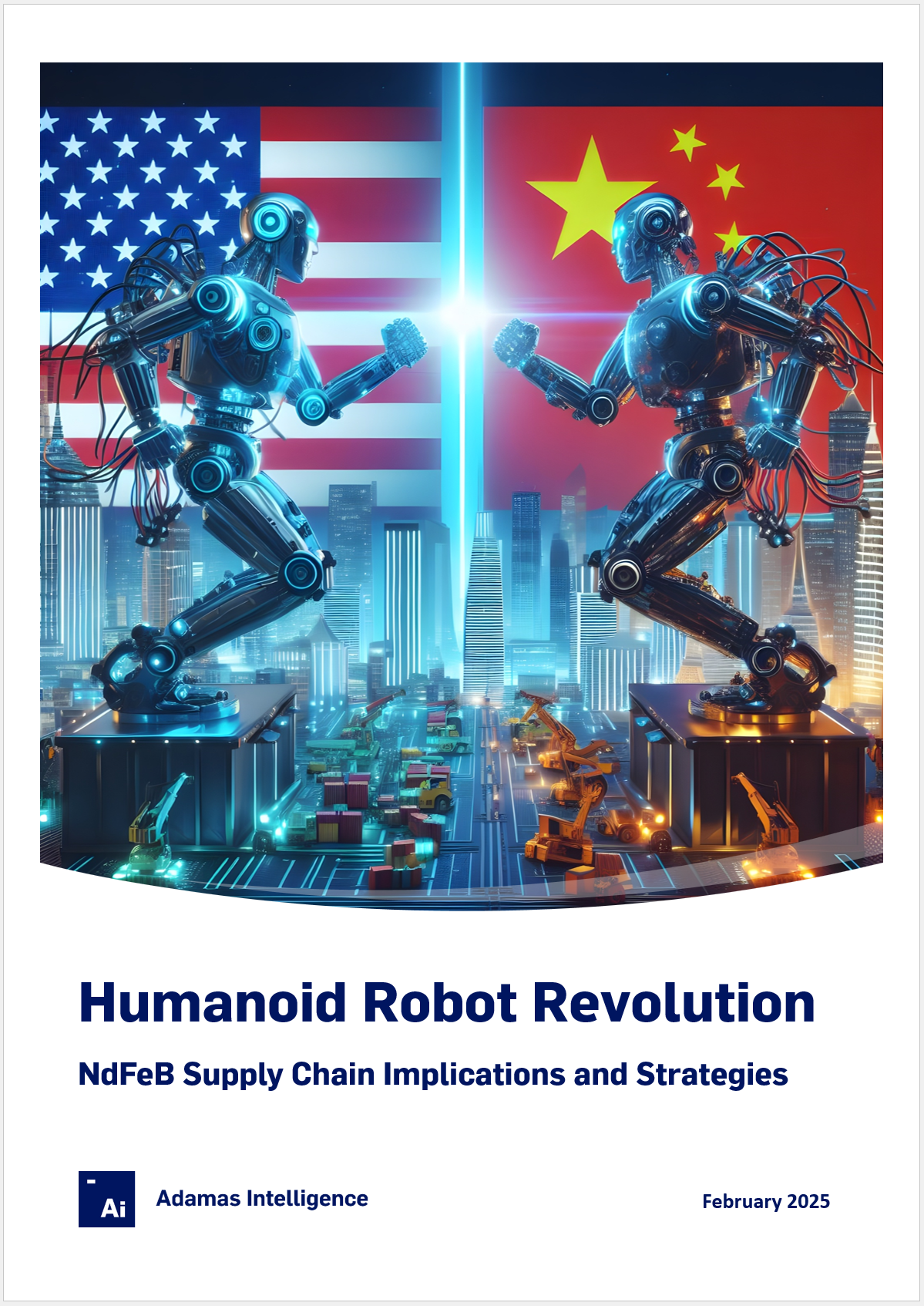
Die Revolution der humanoiden Roboter
Auswirkungen auf die NdFeB-Lieferkette und Strategien

Also – wird die Zukunft der humanoiden Robotik von „Hands-on“ oder von „Hands-off“ geprägt sein?
Unserer Meinung nach wahrscheinlich eine Kombination aus beidem. Agility – ein Pionier auf dem US-amerikanischen Markt für humanoide Roboter – bringt einige wichtige Argumente vor, wonach fünf-fingrige Hände in industriellen Umgebungen nicht zweckmäßig sind. Doch wie sieht es mit Anwendungen aus, die eher eine geschickte Fingerfertigkeit erfordern? Hier könnten menschenähnliche Hände ihre Stärken ausspielen. Die Zeit wird zeigen, wo der wahre Erfolg liegt, wenn kommerzielle Roboter immer mehr Aufgaben übernehmen.
Unabhängig davon, ob es sich um feststehende Greifer oder spezielle Aufsteckwerkzeuge handelt – die Zukunft der Robotik verspricht weiterhin eine positive Entwicklung für die Nachfrage nach NdFeB-Permanentmagneten. Sollte ein Großteil der künftig entwickelten Roboter nicht mit festen, menschenähnlichen Händen, sondern mit einer Vielzahl von Zubehörteilen für unterschiedliche Aufgaben ausgestattet sein, könnte dies letztendlich zu einer noch größeren Nachfrage nach Motoren, Aktuatoren und Seltenerdmagneten pro Roboter führen, als bisher erwartet.
Treffen Sie sich mit führenden Anbietern von Seltenen Erden und Magneten
Treffen Sie sich im September 2025 in Toronto mit Vertretern alternativer Seltenerdminenbetreiber und Magnetherstellern auf der „Rare Earth Mines, Magnets & Motors 2025“, wo wir dieses Thema gemeinsam mit führenden Marktteilnehmern und Branchenexperten vertiefen werden.
Die zweitägige Veranstaltung bringt Führungskräfte aus Wirtschaft und Technik aus der gesamten globalen Lieferkette vom Bergbau bis zum OEM zusammen, um in einem 5-Sterne-Hotel hochkarätige Diskussionen zu führen und Kontakte zu knüpfen.
Zu den Schwerpunktthemen der diesjährigen Konferenz zählen Robotik, Automatisierung, fortschrittliche Luftmobilität sowie die sich entwickelnde Lieferkette „vom Bergwerk zum Magneten“, die sich im vorgelagerten Bereich zusammenfügt.
Besonderer Gast: Steve Wozniak, Mitbegründer von Apple
Weitere Informationen: www.adamasevent.com