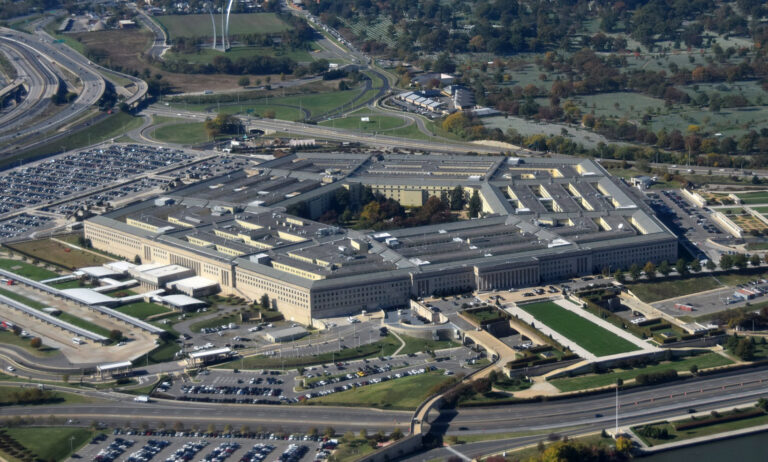
U.S. defense contractors seek second DFARS delay as Pentagon’s $200B ‘Deal Team Six’ mobilizes for rare earth independence
The rule is estimated to affect 78% of Pentagon weapons programs, including platforms such as the F-35 and US nuclear submarines.
Major US defense contractors are lobbying the Trump administration to postpone the January 1, 2027 enforcement of DFARS 252.225-7052, according to a mid-May Financial Times report. The regulation, finalized in 2024, bans the use of samarium-cobalt (SmCo) and neodymium-iron-boron (NdFeB) magnets in defense contracts if any production stage from mining through fabrication occurred in China, Russia, Iran, or North Korea.
Contractors argue that a substantial supply gap remains because no Western alternative has yet scaled to required volumes, while China’s April 2025 export controls have put NdFeB and SmCo magnets under a strict case-by-case licensing regime, disrupting transitional supply. The January 2027 date already reflects a one-year extension from an original 2026 target.

The US Department of War has established an Economic Defense Unit – informally called “Deal Team Six” – staffed by former Wall Street financiers with authority to deploy up to $200 billion over approximately three years in equity stakes, long-term purchase contracts, price-support mechanisms, and loans targeting companies that mine, process, or manufacture rare earth elements and permanent magnets outside China.
The unit reports to senior Pentagon leadership and coordinates with the Commerce Department and the US International Development Finance Corporation.
The program also presses automakers and other OEMs to sign forward-purchase agreements designed to bridge the gap between high upfront costs and long lead times of rare earth projects and the modest returns that have historically deterred private capital.
Rare Earth Market Monthly
Oxide, metal and NdFeB price assessments, market analysis and data
Adamas take:
The push to delay DFARS 252.225-7052 underscores how far ex-China supply remains from meeting projected Pentagon needs.
The rule is estimated to affect 78% of Pentagon weapons programs, including platforms such as the F-35 and US nuclear submarines. The combination of X-ray fluorescence spot checks and contract-termination risk signals that the US Department of War is preparing for substantive compliance, with higher expectations around documentation and traceability across the magnet value chain.
Following a detailed bottom-up analysis of rare earth applications in an F-35, Adamas research indicates the aircraft is host to 40 to 70 kilograms of REE-bearing material, and just 11-20 kilograms of pure elemental rare earths, a stark contrast to often-repeated claims in the media that an F-35 contains more than 400 kilograms of rare earth elements.
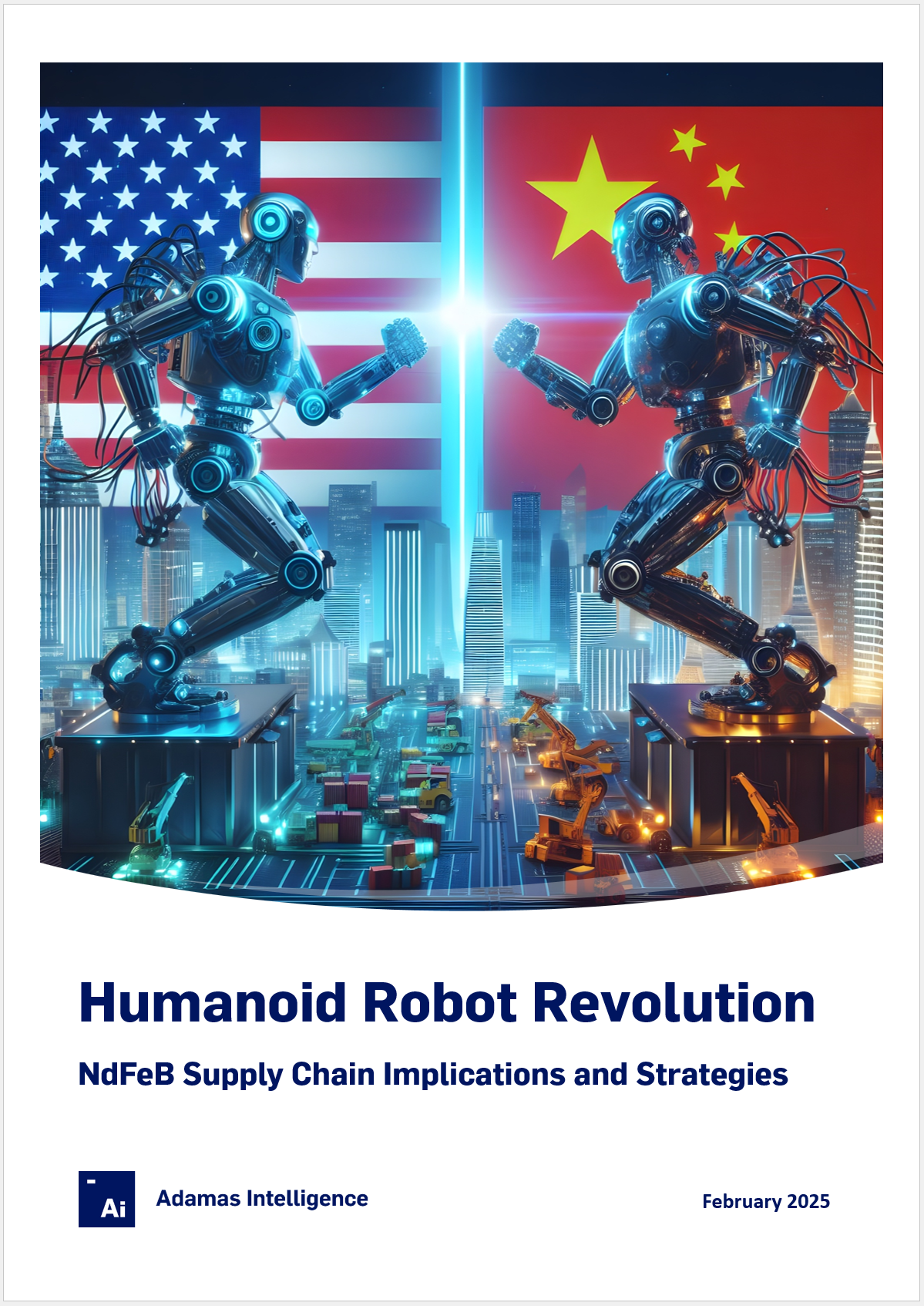
Adamas forecasts that global NdFeB magnet demand for defense applications will rise at a CAGR of 12.9% to 2,719 tonnes in 2030, 5,929 tonnes in 2035 and 8,654 tonnes in 2040, growing significantly faster than the underlying unit market as robotics, which are expected to use appreciably more NdFeB per average unit than the average drone or other application, become an increasingly larger share of the category.
A $200 billion ceiling for Deal Team Six, alongside prior Defense Procurement Title III and other DoW awards for MP Materials, Lynas Rare Earths, and USA Rare Earth between 2020 and 2025, marks another step-change in US-backed capital available for non-Chinese rare earth and magnet projects.
We see the combination of minority equity, price-floor guarantees, and long-term offtake agreements as consequential for projects at the PFS/DFS stage that otherwise struggle to secure commercial financing.
The headline-grabbing $200 billion figure also raises the possibility that any early Deal Team Six transactions with listed rare earth companies could shift equity-valuation benchmarks in the same way as MP Materials’ July 2025 Dept of War landmark agreement.
Contact us today to learn more about our industry-leading Rare Earth Market Intelligence services.